St Louis | United StatesResidential
Saint Louis
Architecture sculpted by light, a constant dialogue between inside and out.

Architecture sculpted by light, a constant dialogue between inside and out.
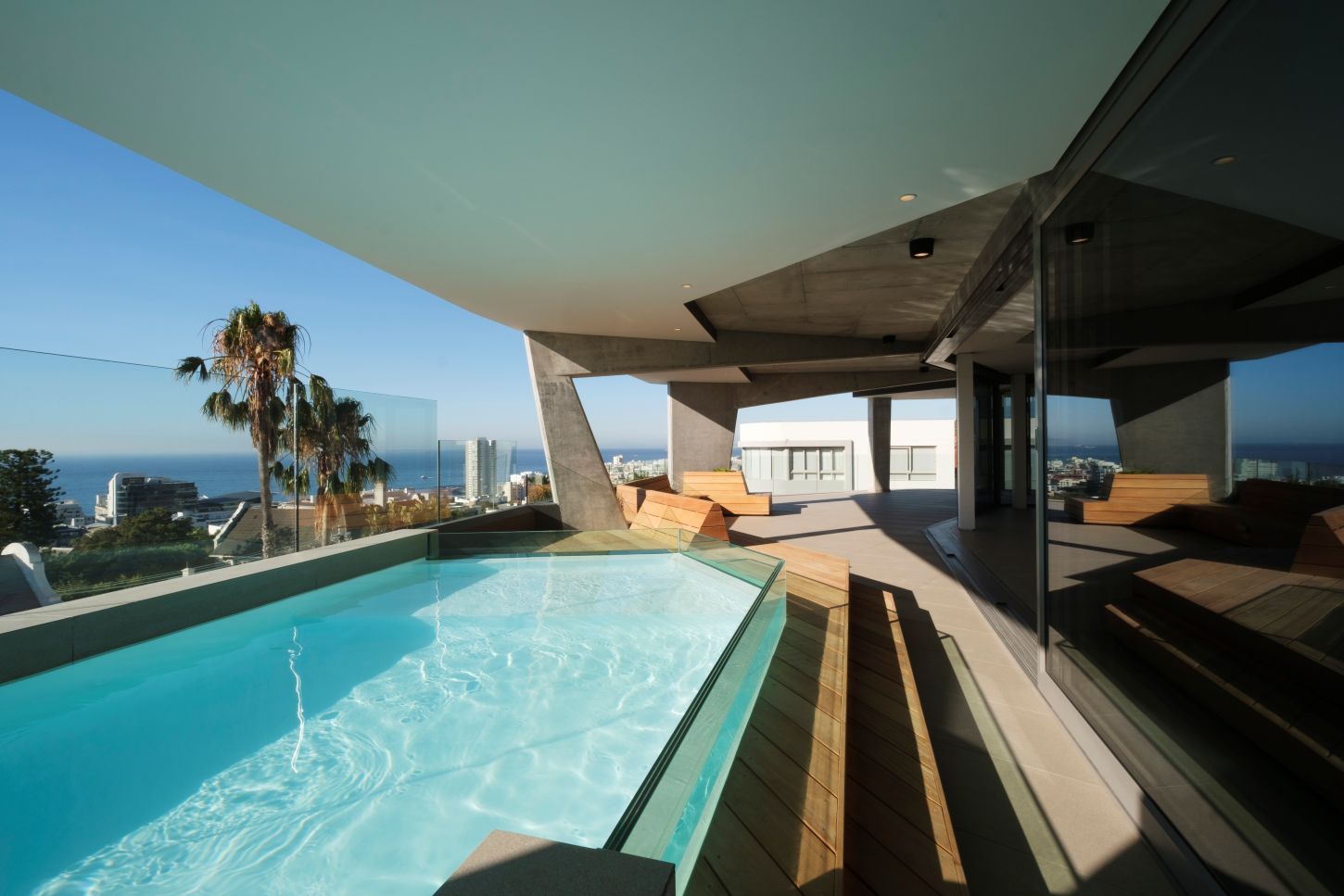
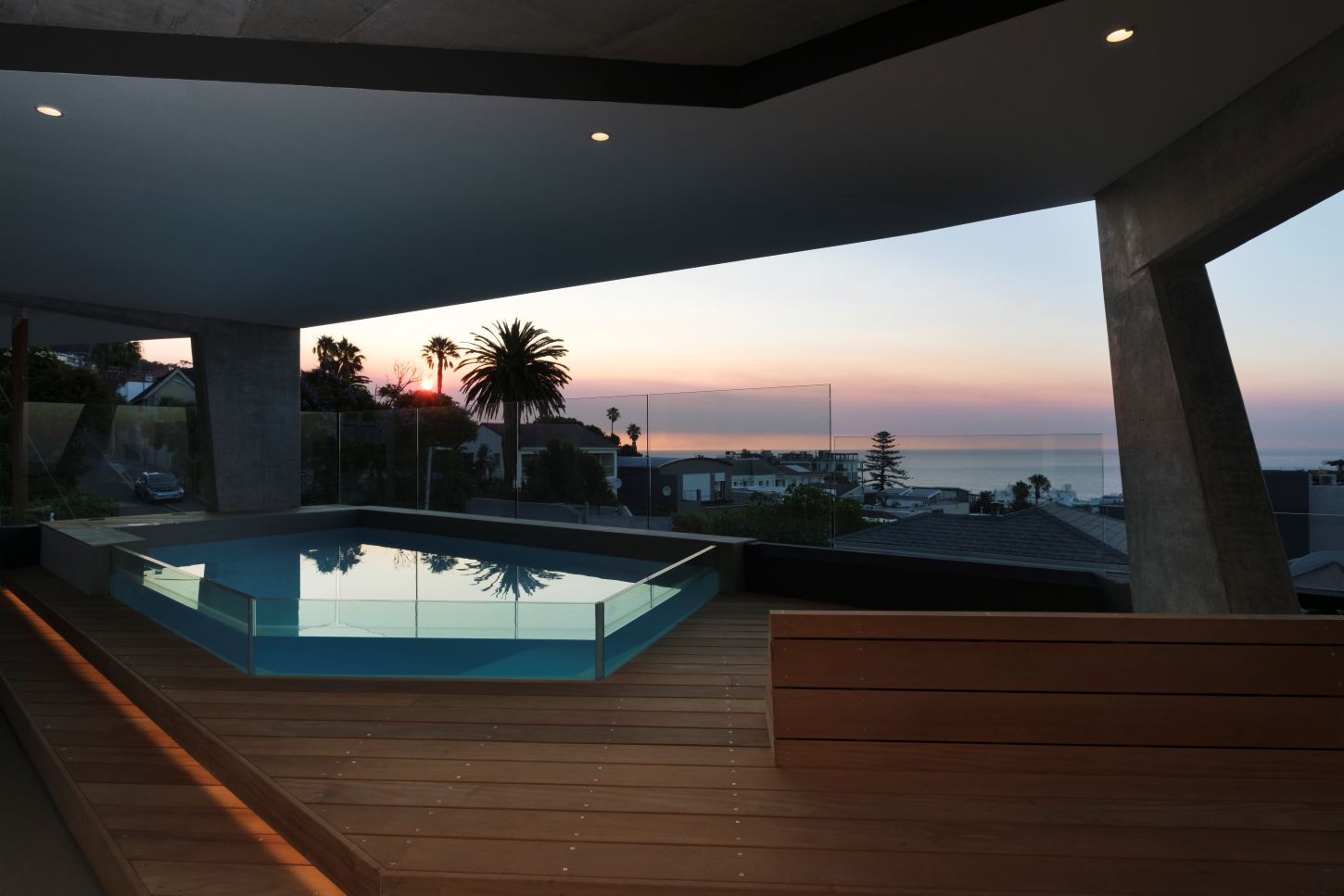
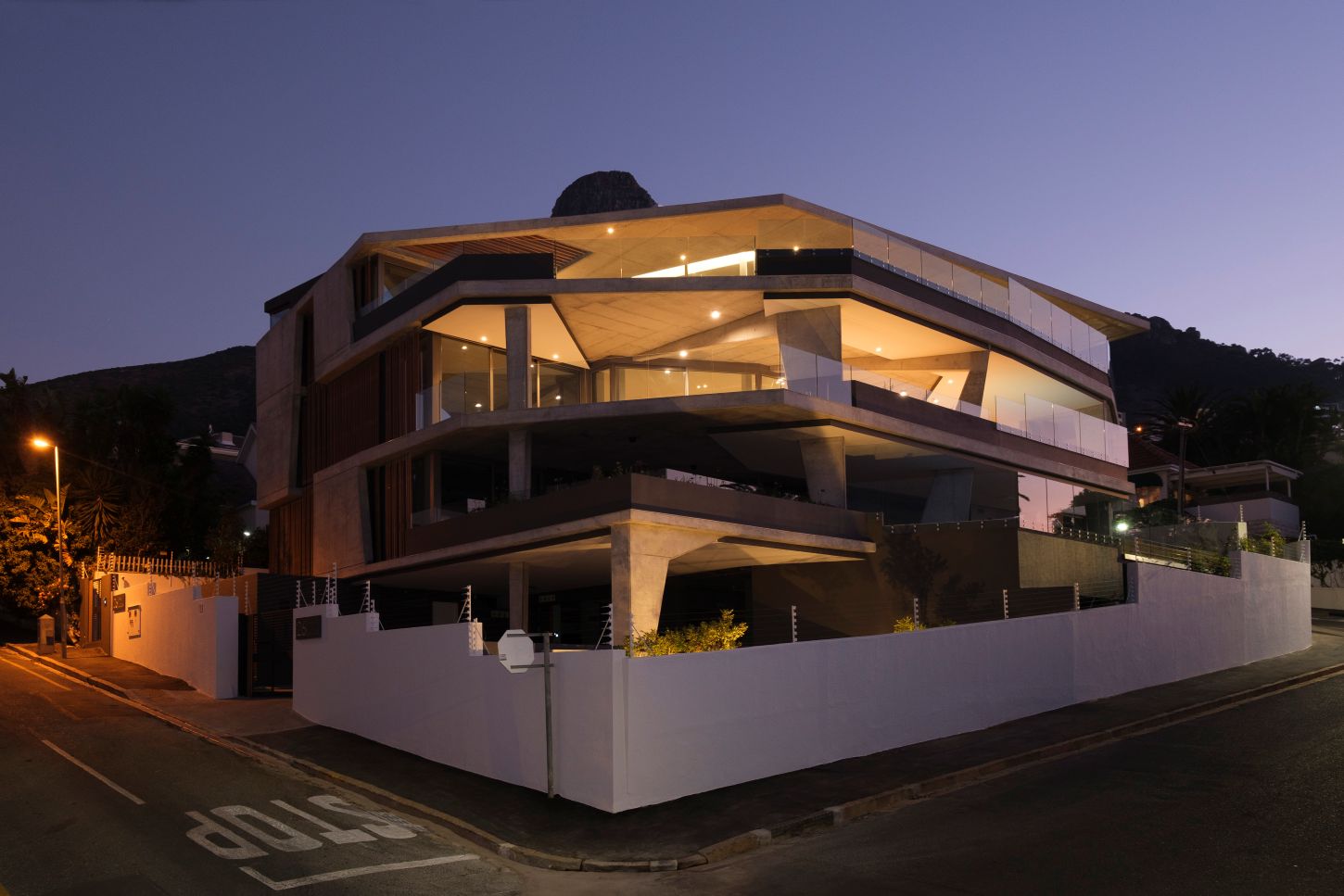
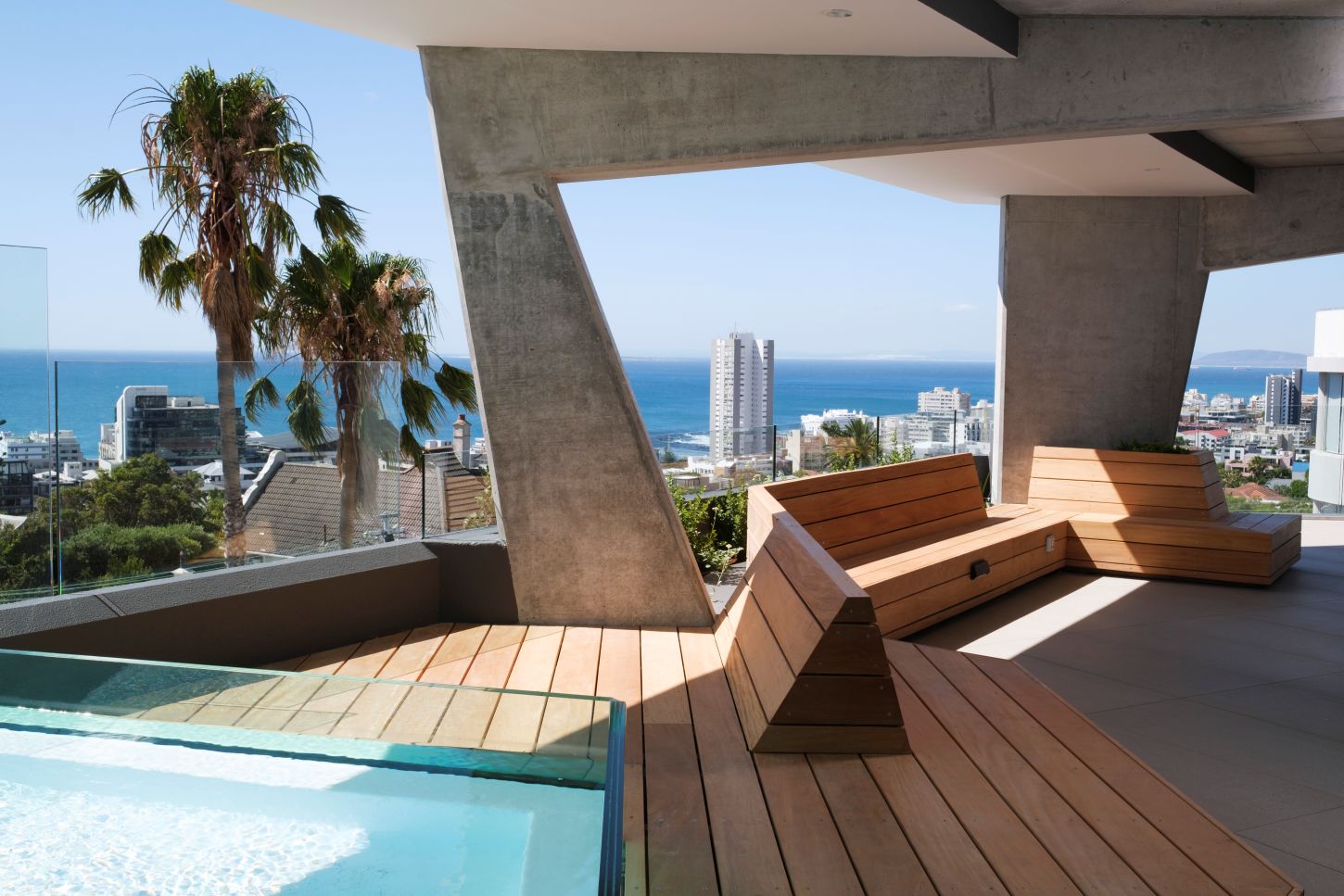
The plot, open on three sides, is a rare opportunity within the dense and compact fabric of Avenue St. Louis. This privileged condition was not simply acknowledged—it became the generating matrix of the entire project. From the earliest design phases, the possibility of capturing and enhancing views—both the close, intimate glimpses of the urban greenery and the deeper perspectives revealed between the surrounding buildings—shaped the form and orientation of the volumes. Every façade was treated as a primary elevation, a chance to establish a dialogue with the city, with light, and with the surrounding landscape.
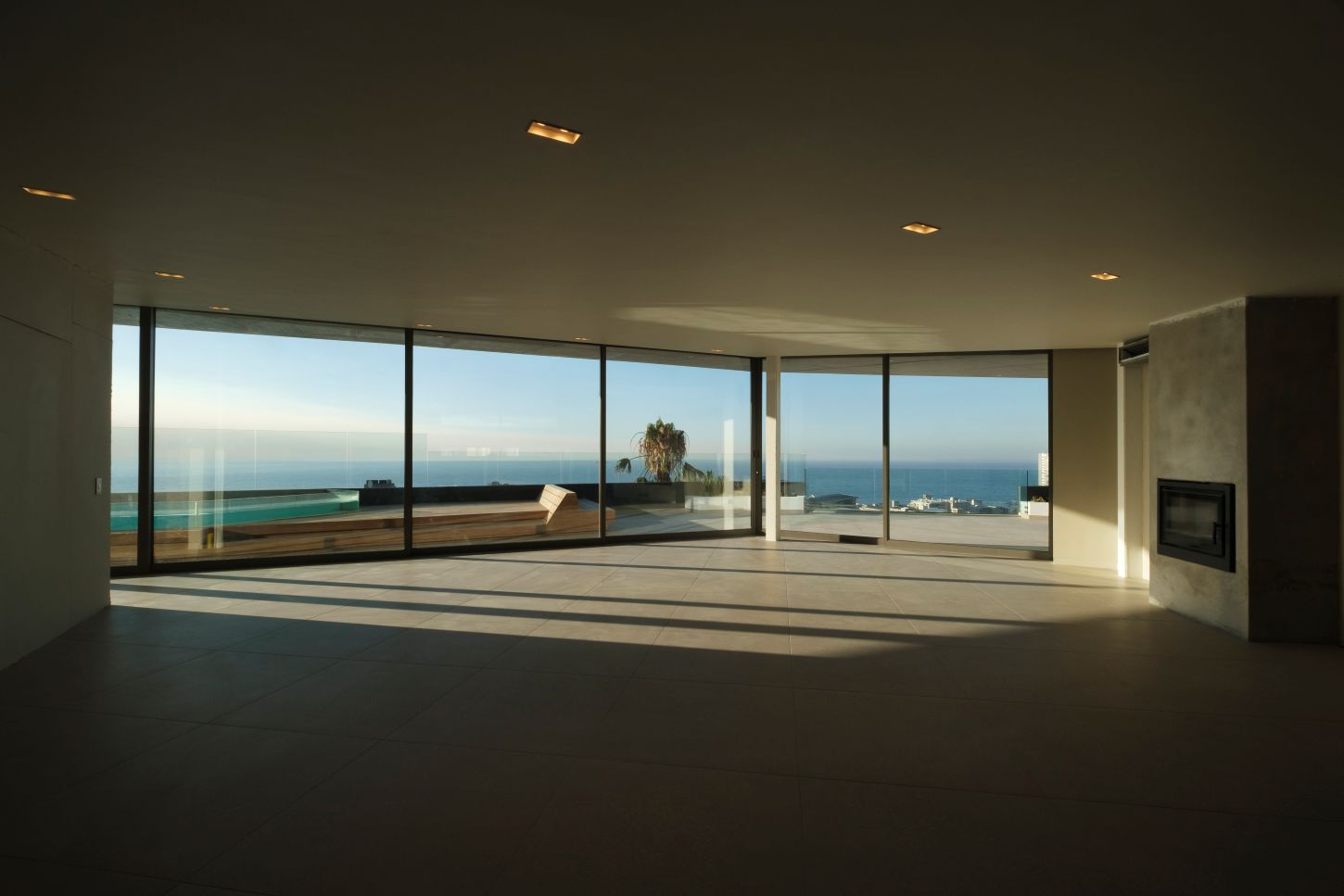
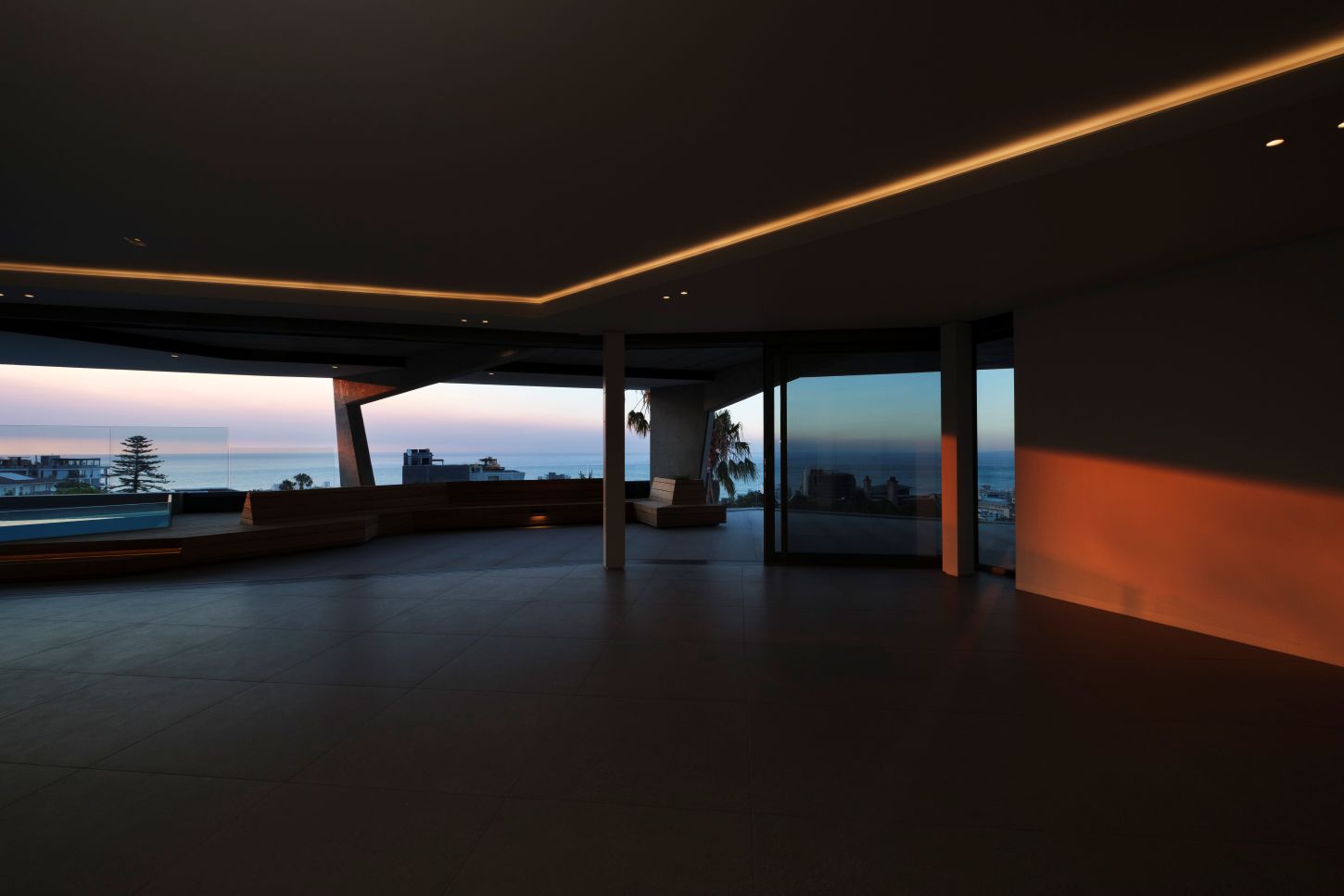
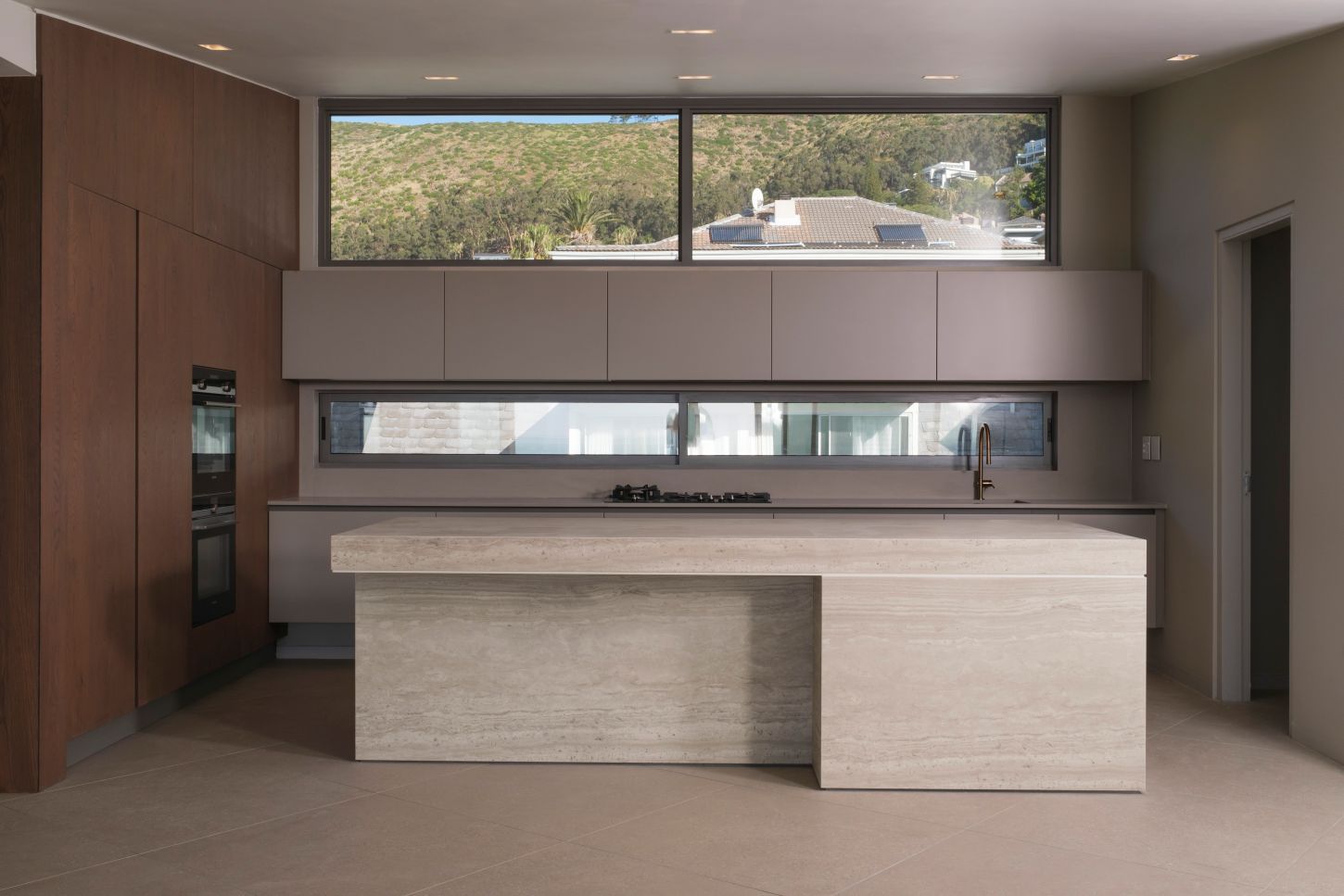
Natural light exposure was one of the project’s guiding principles: the building was sculpted to invite daylight throughout the day, ensuring interior spaces that are bright, warm, and constantly connected to the outdoors. The openings, carefully calibrated, are not mere windows but spatial devices that filter light, frame selected views, and give rhythm to the elevations.
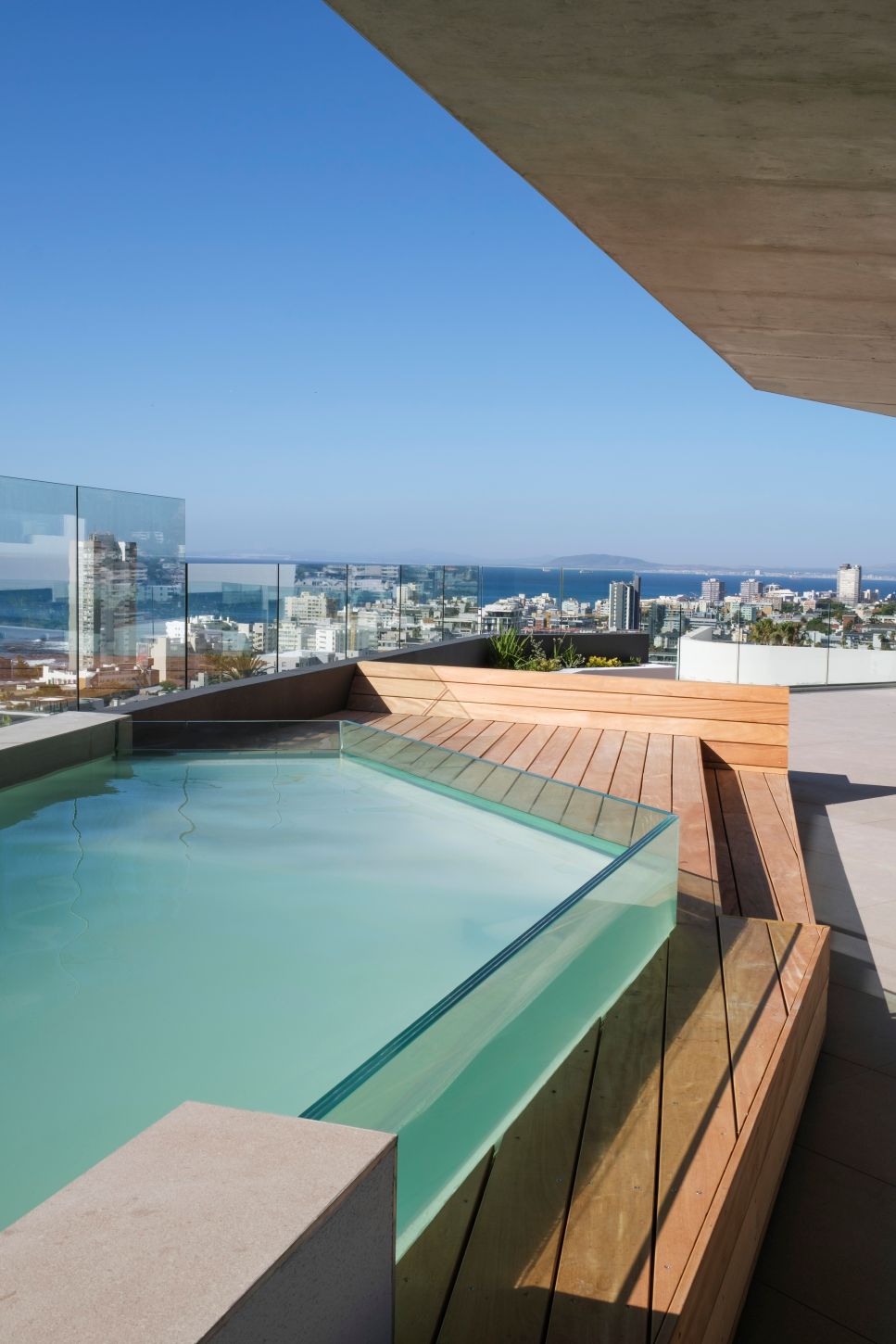
The result is an architecture articulated through three apartments—one per level—each defined by its own formal identity. The volumetric differences between floors are far from a purely aesthetic gesture; they reflect the intention to respond precisely to the specific views and solar orientation of each level. The result is a dynamic, multifaceted organism that shifts in perception depending on where it is observed from.
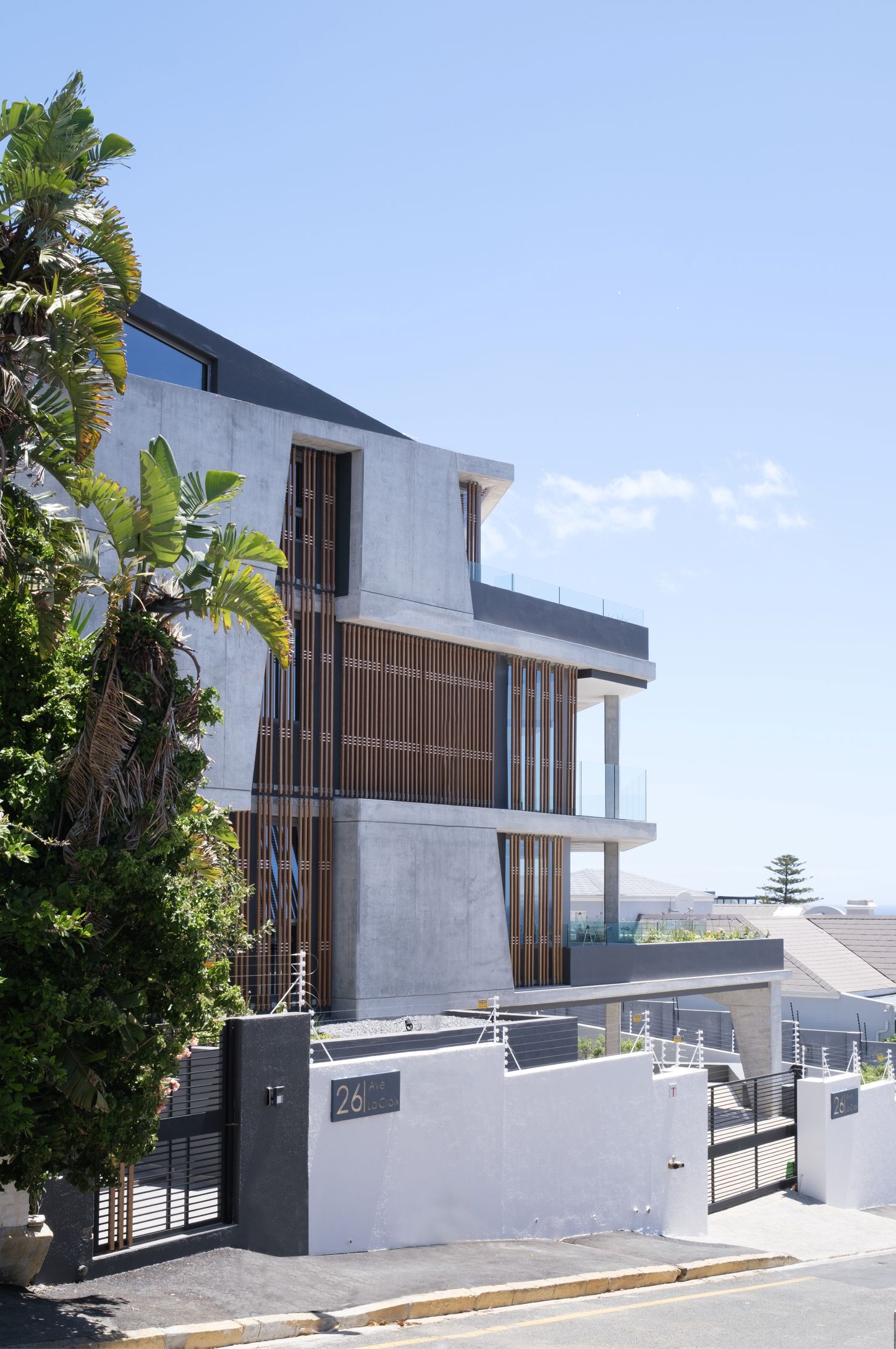
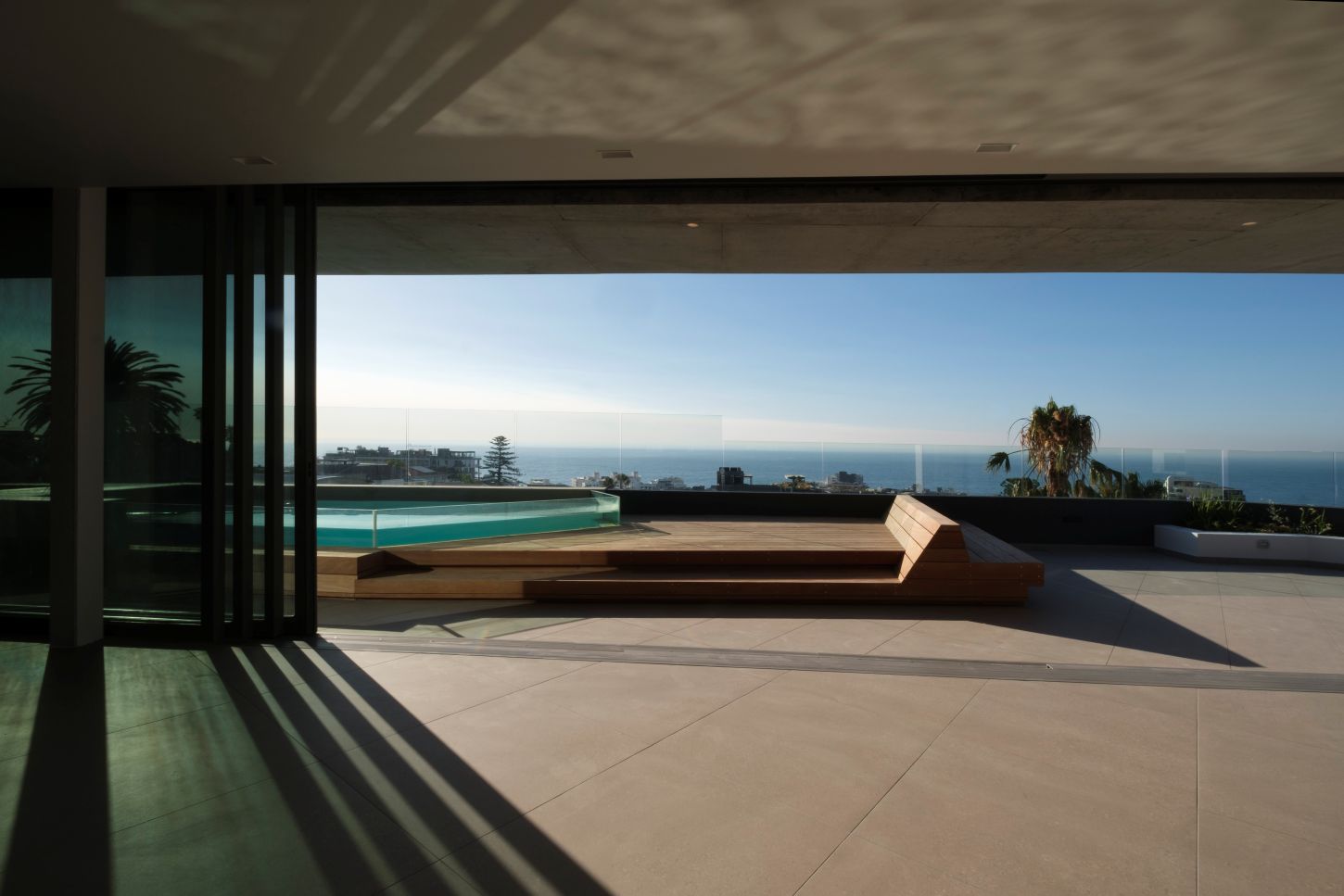
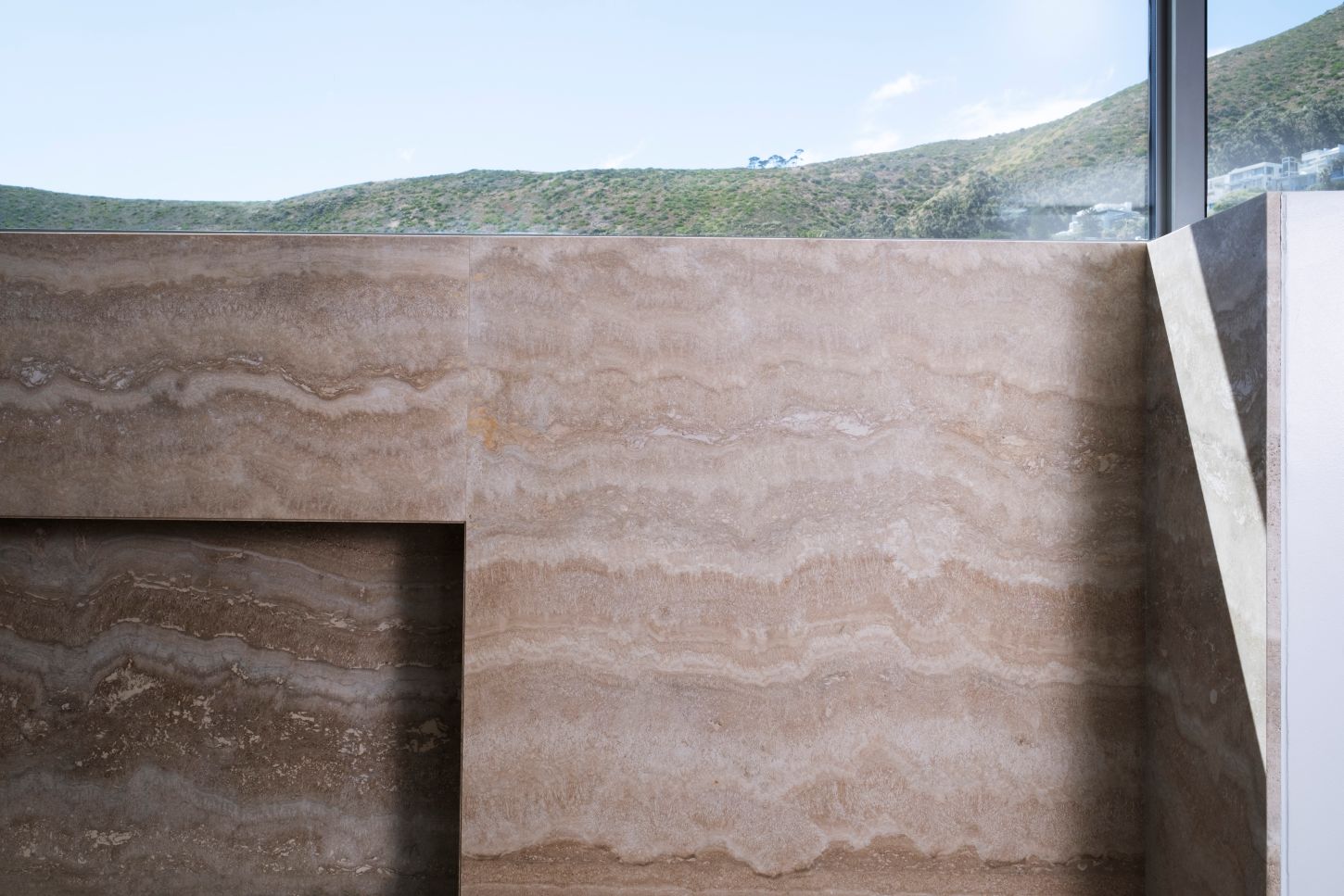
The material palette enriches this narrative: exposed concrete, plaster, natural stone, and timber interact like chapters of the same story. Their surfaces shift in tone and depth as the light changes, giving the building a sculptural yet harmonious presence—distinct within its urban context, yet seamlessly integrated.
In a neighborhood where spaces are often compressed and openings limited, this project interprets the site not as a constraint but as an opportunity to celebrate light, perspective, and the continuous relationship between inside and outside. The result is an architecture that does not merely occupy a space, but amplifies it, reinterprets it, and gives it back to the city in a renewed form.